The Enduring Allure of Ancient Prophecies in Literature
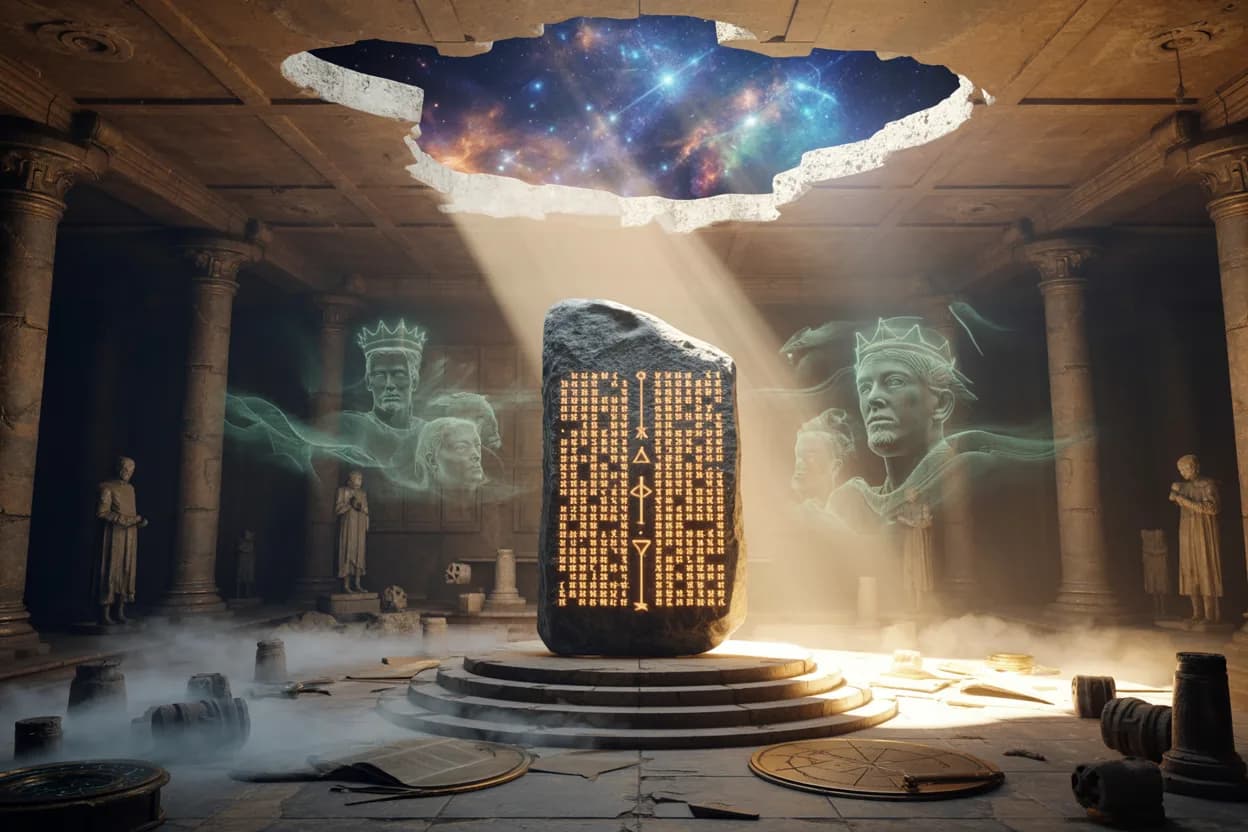
Books with ancient prophecies have long held a magnetic power over readers, offering narratives that intertwine the threads of fate, free will, and human ambition. Whether inscribed on sacred tablets, whispered through generations, or etched into the stars, such prophecies provide a framework for exploring the unknown. From the epic tales of Mesopotamia to modern fantasy novels, these narratives often serve as both a warning and a roadmap for characters navigating the uncertainties of the future.
The Role of Prophecies in Shaping Narratives
Ancient prophecies in books are more than mere plot devices—they are the bedrock of thematic depth. They challenge characters to reconcile their desires with destiny, creating conflict that drives the story forward. In many cases, the fulfillment (or subversion) of these prophecies becomes the central moral or philosophical question. For example, a prophecy might foretell a hero’s rise to power, only to force the character to grapple with the corruption that such power might bring.
Cultural and Historical Context
Prophecies often mirror the fears and aspirations of the societies that created them. Ancient civilizations like the Greeks, Norse, and Mayans wove prophecies into their mythologies to explain natural disasters, the rise and fall of empires, and the human condition itself. Modern authors continue this tradition, layering historical accuracy with speculative fiction to create timeless tales. This duality allows readers to explore how prophecy functions as both a mirror of the past and a lens for the future.
Ancient Prophecies in Different Genres
The genre of a book influences how prophecies are portrayed. In epic fantasy, prophecies often serve as the linchpin of the world’s lore, with ancient texts and mystical figures guiding characters to their fate. In historical fiction, prophecies might draw from real-world traditions, such as the biblical Book of Daniel or the apocalyptic visions of the Maya. Even in thriller and mystery genres, prophecies can create tension, as secrets buried in the past are unearthed to shape the present.
Common Themes Across Genres
Ancient prophecies frequently revolve around themes of sacrifice, transformation, and the cyclical nature of history. They often present a binary choice: follow the prophecy and embrace a predestined path, or defy it and forge an unpredictable future. This tension between fate and agency allows for rich character development, as protagonists must confront existential questions about their purpose and morality.
The Cultural Significance of Prophecies
Beyond literature, ancient prophecies have shaped human culture for millennia. They have been used to justify political power, predict natural disasters, and even influence religious doctrines. In books, this cultural weight is amplified, as authors often draw from these archetypal narratives to create immersive worlds. For instance, the concept of a “chosen one” is a near-universal trope, from the biblical Messiah to the “One Ring” in The Lord of the Rings by J.R.R. Tolkien.
Psychological and Philosophical Implications
Prophecies also invite readers to ponder the nature of free will. If a future is already inscribed, does that negate the value of human choice? Or does the act of trying to change a prophecy validate the importance of autonomy? These questions are explored in depth in books that use prophecy as a narrative tool, offering no easy answers.
Exploring Mistborn: Ancient Prophecies in Action
One standout example of books with ancient prophecies is Mistborn/a<> by Brandon Sanderson. Set in a world dominated by a tyrannical ruler, the novel weaves a complex web of prophecies tied to the concept of Allomancy—a mystical power system rooted in the manipulation of metals. The central prophecy revolves around a figure destined to overthrow the Lord Ruler, a ruler whose identity is shrouded in mystery. This prophecy becomes a catalyst for both the protagonist’s journey and the societal transformation of the world.
What makes Mistborn particularly compelling is how it explores the tension between prophecy and free will. The protagonist, Kelsier, initially embraces the prophecy as a means to his ends. Yet as the story unfolds, he confronts the moral implications of his actions, questioning whether his path is truly predetermined or if he holds the power to rewrite his fate. This theme resonates with readers, as it mirrors universal struggles between destiny and self-determination.
Additionally, Mistborn layers its prophecy with worldbuilding that reflects the cultural and historical weight of such narratives. The Allomantic system is not merely a magic system—it is a symbol of how power and prophecy can be weaponized, just as they have been throughout human history. This integration makes the ancient prophecy feel both timeless and urgent.
Frequently Asked Questions
Why are ancient prophecies popular in literature?
Ancient prophecies resonate because they tap into humanity’s fascination with the unknown and the desire to predict the future. They offer a framework for exploring complex themes like fate, morality, and the human condition.
Which genres feature ancient prophecies most often?
Ancient prophecies are common in epic fantasy, historical fiction, and mythological narratives. They also appear in thriller and mystery genres, often as a device to unravel secrets from the past.
How do prophecies affect character development in books?
Prophecies challenge characters to confront their identity, choices, and moral dilemmas. They create tension between destiny and free will, allowing for deep exploration of a character’s internal and external conflicts.